The Iconic Cadence: Tracing the Journey of Jeopardy's Unforgettable Theme
From the moment contestants face the board to the nail-biting final round, one particular melody has become synonymous with intellectual challenge and the thrill of knowledge. We're talking, of course, about the indelible
Tv Tunesters Jeopardy Game Show Theme, a piece of music so deeply ingrained in popular culture that it’s instantly recognizable to millions. More than just background music, this simple yet profound composition, affectionately known as "Think," holds a fascinating origin story – one that began as a tender lullaby and blossomed into a multi-million dollar anthem for one of television's most enduring game shows. Its journey from a personal melody to a cultural touchstone is a testament to the power of a truly well-crafted tune.
From Nursery to News Desk: The Lullaby That Launched a Legacy
The genesis of the iconic Jeopardy theme is far removed from the bright lights and intense pressure of the game show set. The melody, now famous for prompting contestants to recall obscure facts, was originally conceived by none other than Jeopardy! creator Merv Griffin himself. In a heartwarming anecdote, Griffin penned the tune as a lullaby for his son, Tony. It was a simple, soothing melody, designed to help a child drift off to sleep. Who could have predicted that this private moment of paternal affection would evolve into one of the most recognizable pieces of music in television history?
Griffin, a seasoned entertainer and businessman, possessed an innate understanding of what made television shows tick. When developing Jeopardy!, he needed a distinct musical identity – something that would signify the show's unique blend of quick thinking and intellectual prowess. He toyed with various musical ideas, but it was the lullaby he had written for his son that ultimately struck the right chord. He adapted it, sped it up slightly, and transformed it into the 30-second masterpiece we all know today. Its simplicity, combined with a subtle sense of urgency, perfectly captured the essence of the game. It’s a prime example of how inspiration can strike in the most unexpected places, proving that sometimes the best creative solutions are born from personal experiences. This theme, a fundamental element of the
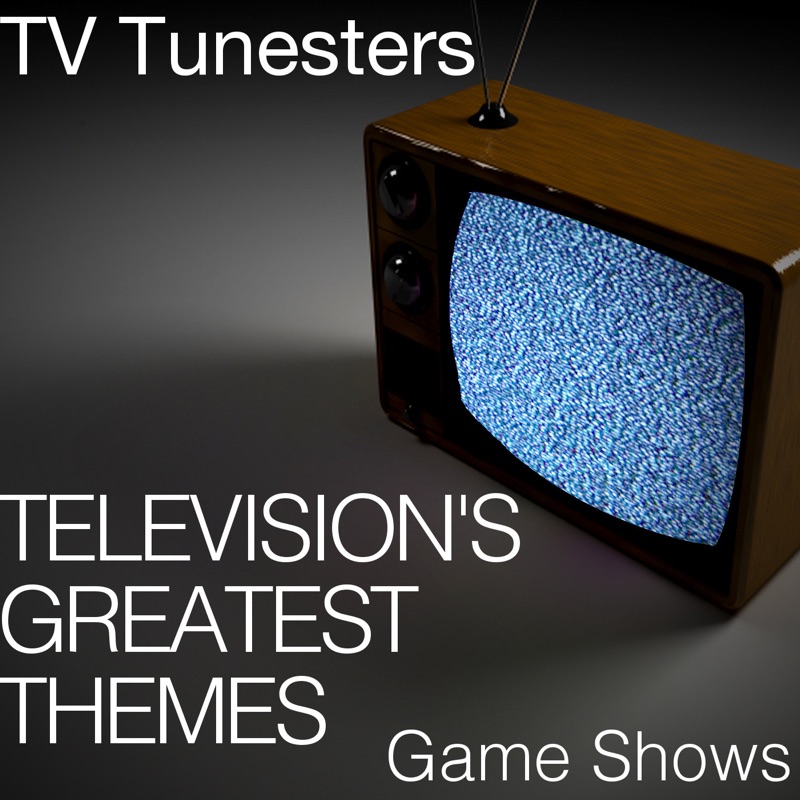
Tv Tunesters Jeopardy Game Show Theme, was officially released to a broader audience on September 1, 2011, by Not Us Music, as a key track on the album "Television's Greatest Themes - Game Shows," solidifying its place among the pantheon of television's most beloved scores.
"Think": A Melodic Masterpiece and an $80 Million Royalties Engine
Beyond its charming origin, "Think" represents a remarkable case study in the power of intellectual property in the entertainment industry. For Merv Griffin, the seemingly simple act of composing a lullaby turned into an extraordinary financial success. Every time the Jeopardy! theme song aired, Griffin received royalties. Over the decades, as Jeopardy! cemented its status as a television staple, those royalties accumulated into a staggering sum. Before his passing, it's reported that Griffin earned close to $80 million from this single composition alone.
This incredible figure underscores the enduring value of creating something truly original and impactful. It’s a powerful lesson for aspiring creators, producers, and even showrunners: a well-placed, memorable piece of music can become a significant asset, generating passive income for years, even decades. Griffin's story highlights the foresight involved in retaining ownership of creative works. While many theme songs are commissioned as work-for-hire, Griffin’s personal creation meant he benefited directly from its widespread use. The financial success of the
Tv Tunesters Jeopardy Game Show Theme is a testament not just to its catchiness, but to its consistent presence in millions of homes, becoming an intrinsic part of daily routines for countless viewers. It's a prime example of how a singular creative act can evolve into a formidable economic engine through diligent intellectual property management.
More Than Just a Tune: Why "Think" Resonates So Deeply
The impact of the Jeopardy! theme song extends far beyond its financial implications. A recent study, involving 2,200 Americans listening to 10-second clips, definitively crowned "Think" as the most recognizable TV show theme song. This isn't just a trivial statistic; it speaks to the deep cultural penetration and universal appeal of the melody. Even amidst significant changes to the show itself, such as the search for Alex Trebek's successor and a rotation of 16 guest hosts in a single season, the music remained a comforting constant. Fans could always count on that familiar tune.
As Alex Trebek himself eloquently put it in his memoir, he never tired of hearing "Think." He described it as "part of Americana," something people recognize immediately, much like the show's iconic phrase, "Hey, you didn’t phrase that in the form of a question." This sentiment perfectly encapsulates why the
Jeopardy's "Think": Why It's TV's Most Recognizable Theme continues to hold such a special place in the hearts of viewers. It evokes a sense of nostalgia, intelligence, and the excitement of a challenge. The simple, repetitive nature of the melody creates a subtle tension, mirroring the ticking clock and the pressure to recall information. It’s a masterclass in musical psychology, enhancing the viewing experience without ever being intrusive. The theme has become so intertwined with the show's identity that it's difficult to imagine Jeopardy! without it. It's truly a piece of our collective cultural fabric, a timeless composition that transcends generations. For more on its unwavering presence, read about
How Jeopardy's Unchanging Theme Became a Piece of Americana.
The Enduring Legacy of Game Show Themes in Television History
The Jeopardy! theme stands as a towering example within the broader landscape of game show music. These themes, often short, punchy, and instantly memorable, serve a crucial role in television production: they act as sonic brand identifiers. They set the tone, signal transitions, and, most importantly, create an emotional connection with the audience. Think of the energetic brass of "The Price Is Right," the dramatic swells of "Wheel of Fortune," or the whimsical bounciness of "Family Feud." Each theme, much like the
Tv Tunesters Jeopardy Game Show Theme, is carefully crafted to embody the spirit of its respective show.
What makes "Think" particularly potent is its ability to convey intellectual weight and tension without being overly dramatic or complex. It's deceptively simple, yet remarkably effective. The lasting power of such themes lies in their consistency and their ability to become almost subliminally associated with a particular experience. For game show producers, the lesson is clear: invest in a theme that is not only catchy but also reflective of your show's core values. A well-chosen theme can transcend its initial purpose, becoming a character in its own right and an indelible part of pop culture, forging a bond with viewers that can last for decades.
Conclusion: The Unsung Hero of Jeopardy's Success
The journey of the Jeopardy! theme, from a heartfelt lullaby for a son to a ubiquitous symbol of intellectual competition and a multi-million dollar asset, is nothing short of remarkable. It highlights the genius of Merv Griffin, not just as a show creator, but as a composer with an uncanny ability to craft a melody that resonates universally. "Think" is more than just a background score; it's an intrinsic part of the Jeopardy! experience, a cultural touchstone that signifies knowledge, quick wit, and the thrilling pursuit of victory. As the
Tv Tunesters Jeopardy Game Show Theme continues to play nightly in millions of homes, it stands as a testament to the enduring power of music to captivate, connect, and become an indelible piece of our shared heritage. It truly is the unsung hero, a constant companion to the drama and excitement that unfolds on the Jeopardy! stage, cementing its place as one of television's most beloved and financially successful musical compositions.